


Lab Members
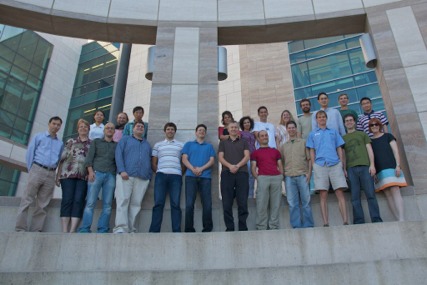
Former Lab Members
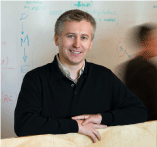
Group Leader
Administrative Assistant
Steve Ha
Postdocs & Adjuncts
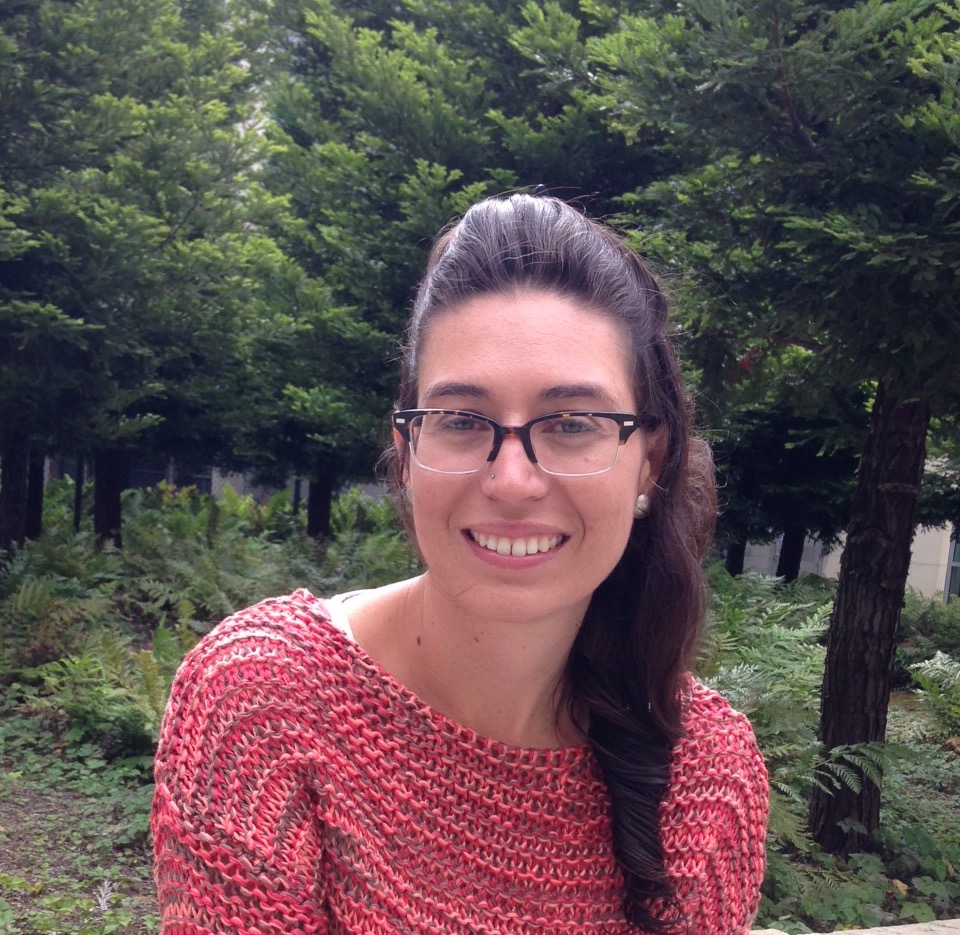
Ignacia Echeverria
Assistant Adjunct Professor
- Integrative structure determination of the Nuclear Pore Complex.
- Characterizing host-pathogen interactions using data from different sources.
- Leveraging large-scale genetic interaction mapping to model the structures of protein assemblies.
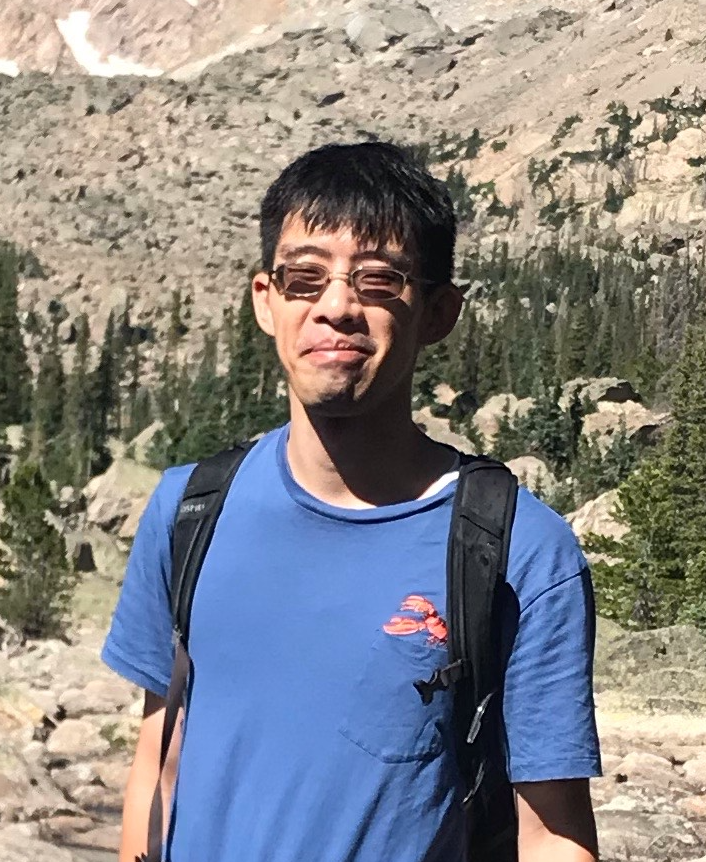
Kenneth Huang
Postdoctoral Scholar
- Modeling multi state ensemble of the Nsp2 protein
- Integrative meta-modeling of the nuclear pore complex
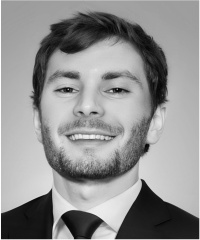
Robert Raddi
Postdoctoral Scholar
- Method development & application of Bayesian Metamodeling
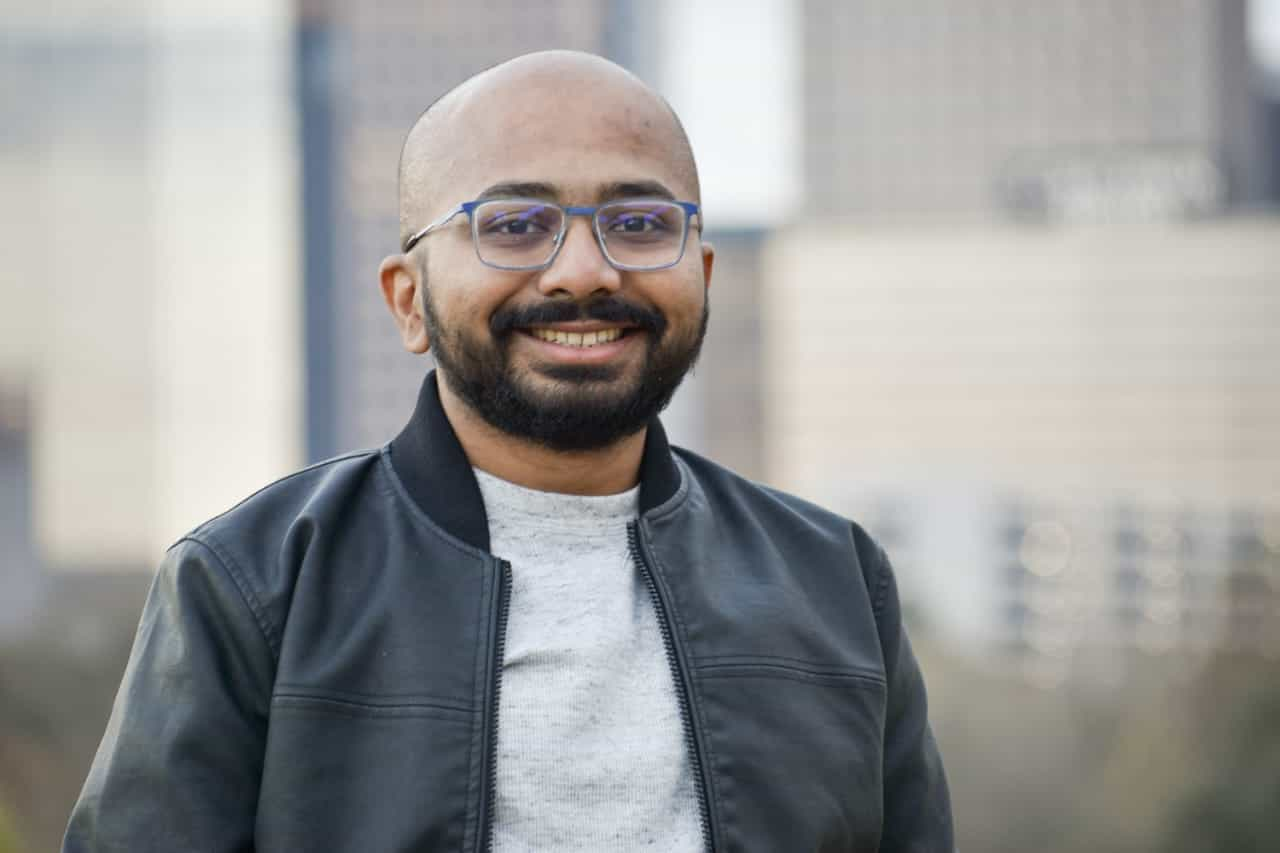
Atreya Dey
Postdoctoral Scholar
- Method development for IMP
- Analysis of deep mutational scanning data
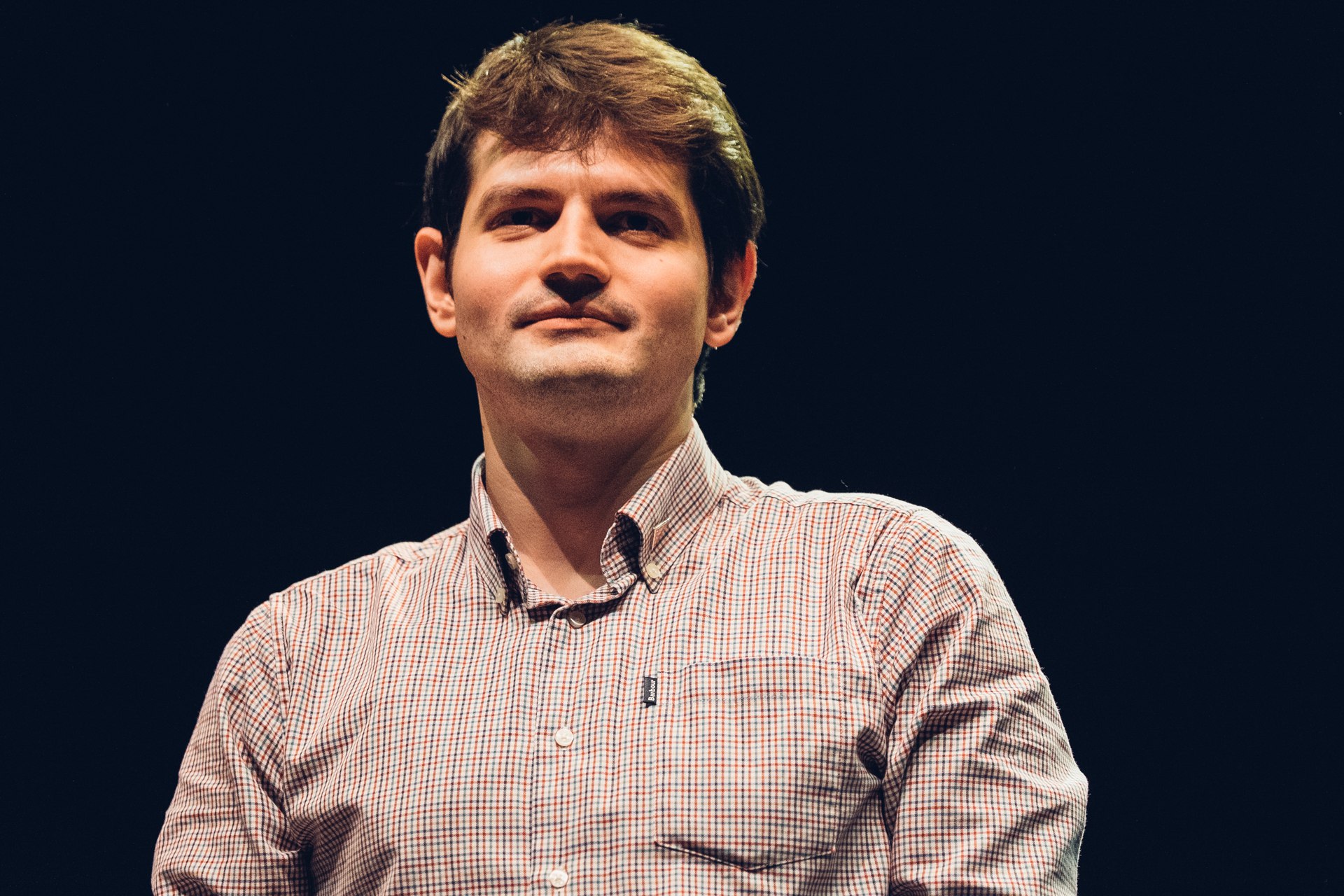
Arthur Zalevsky
Postdoctoral Scholar
- Development of the PDB-IHM repository of integrative structures
- Integrative modeling of biomolecular assemblies guided by chemical crosslinking and electron microscopy data
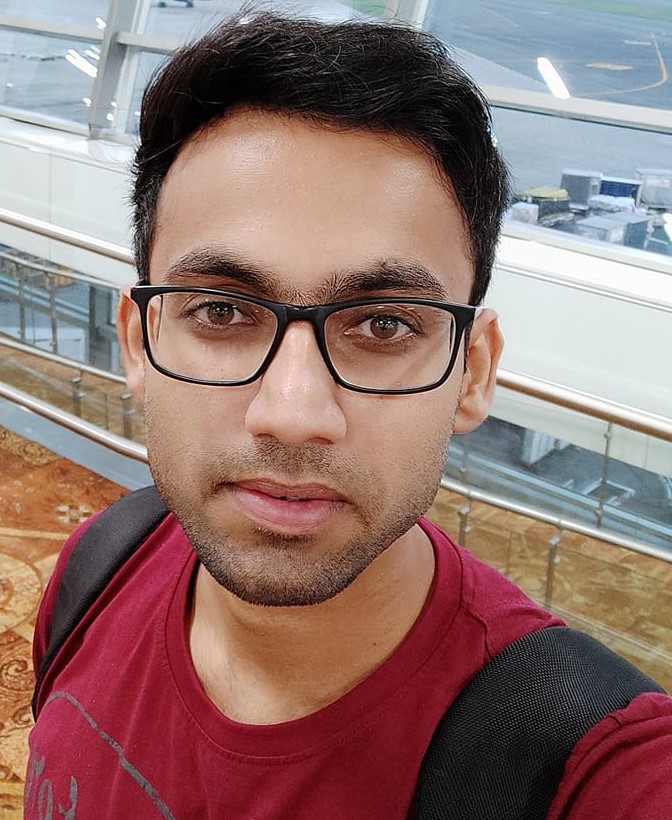
Vipul Kumar
Postdoctoral Scholar
- Development and Application of IMP for Integrative Modeling of Prion-Associated Macromolecular Assemblies
- Development and Application of Integrative Modeling to Integrate Cryo-ET and Footprinting Data
- Modeling and High-Throughput Virtual Screening of Molecules Against Transport Proteins
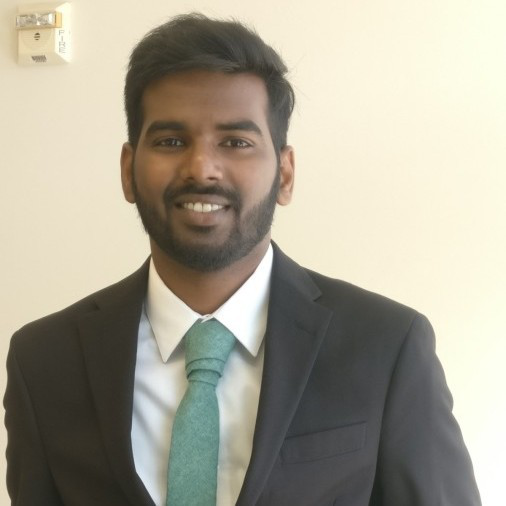
Sree Ganesh Balasubramani
Postdoctoral Scholar
- Bayesian hierarchical modeling of protein structures using data from in vivo experiments
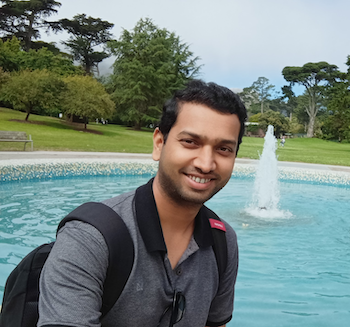
Neelesh Soni
Postdoctoral Scholar
- Development and application of IMP for integrative modeling of macromolecular assemblies
- Integrative modeling of NPC and its sub-complexes
- Development of tools for microenvironment mapping
Jared Sagendorf
Postdoctoral Scholar

Vikas Tiwari
Postdoctoral Scholar
- Integrative modelling of the protein complexes and their neighbourhood from the hierarchical cell map data
- Application of IMP for NPC modelling
- Analysis of virus macrodomain
Graduate Students
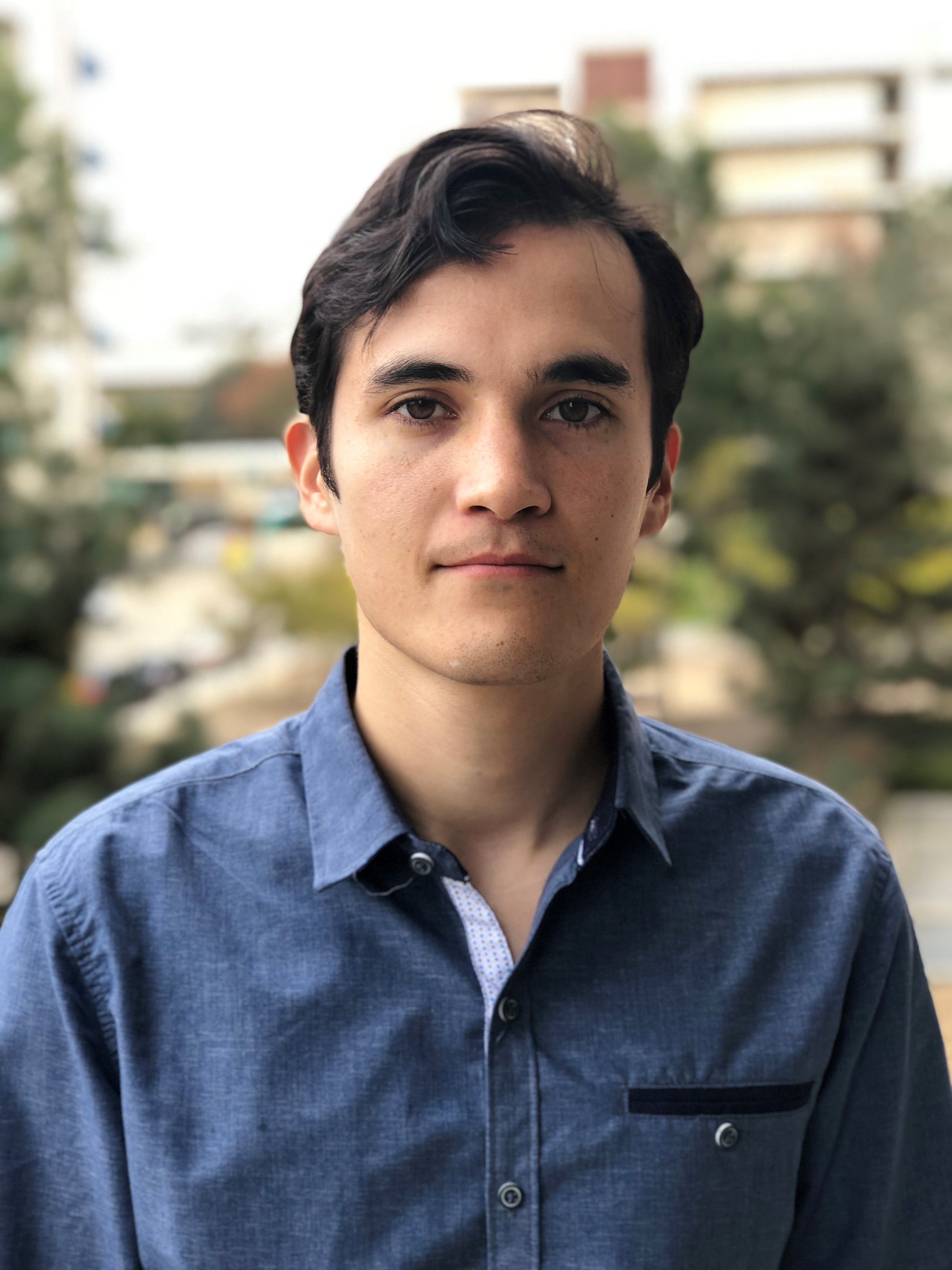
Aji Palar
Graduate Student
Graduate Program in Biophysics
- Integrative structural biology of host-pathogen complexes
- Integrative network modeling
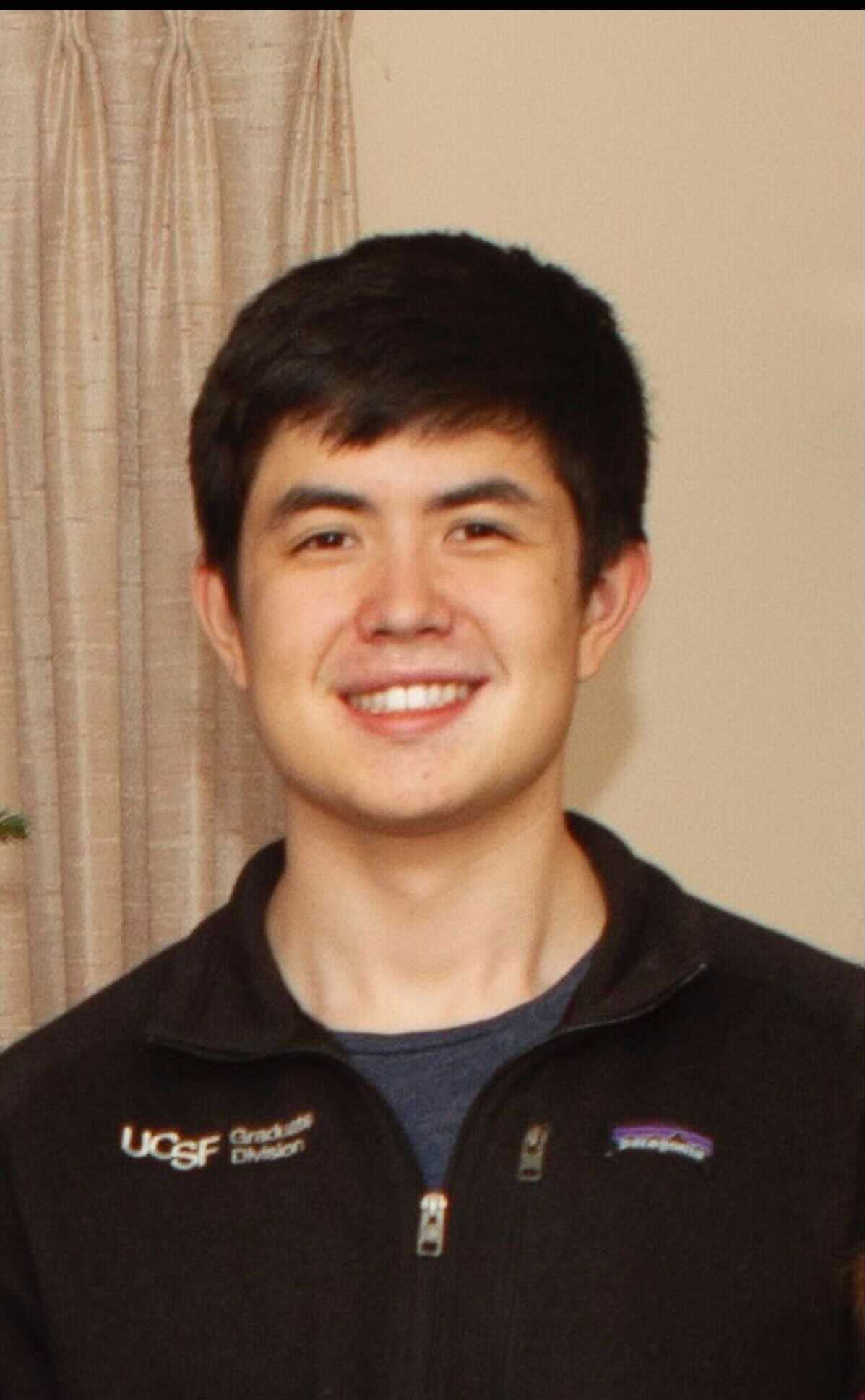
Matthew Hancock
Graduate Student
Graduate Program in Biophysics
- Integrative modeling of macromolecular ensembles
- Thermodynamic approximations from structural ensembles
Catherine Sue
Graduate Student
Mark Ware
Graduate Student
Scientific Programmers
Ben Webb
Academic Coordinator
- Development of the Modeller package for comparative modeling.
- Development of the IMP platform for assemblies and modeling.
- Refinement of protein structure models.
- Systems administration.
Andrej Sali, PhD,
Professor, Department of Bioengineering and Therapeutic Sciences;
Department of Pharmaceutical Chemistry; School of Pharmacy, University of California at San Francisco,
UCSF MC 2552,
Mission Bay, Byers Hall,
1700 4th Street, Suite 503B,
San Francisco, CA 94143,
Tel +1 (415) 514-4227,
Fax +1 (415) 514-4231, 4234,
Web https://salilab.org
This is not an official UCSF website. The opinions or statements expressed herein should not be taken as a position of or endorsement by the University of California, San Francisco.